Hiroshima Prefecture is a hub of craftsmanship across a wide range of industries. Embark on a leisurely road trip to discover a diverse array of Japanese leather goods—from iconic domestic sneakers to new leather souvenirs brimming with local pride!
Hiroshima Prefecture is the No. 1 “manufacturing prefecture” in Western Japan (Chugoku, Shikoku, and Kyushu). Don’t just focus on cars and other products—leather goods and footwear are also worth checking out! Enjoy a leather-themed journey by visiting not only Hiroshima City but also the Matsunaga Kimono Museum in Fukuyama City, as well as Onomichi—a popular destination known as the “Cat Town” and a filming location for classic movies.
Your trip to Hiroshima Prefecture begins at Hiroshima Airport. The airport offers not only domestic flights connecting major cities but also a wide range of international routes. With direct flights from China, South Korea, Bangkok, Thailand, and Hanoi, Vietnam, it’s very convenient.
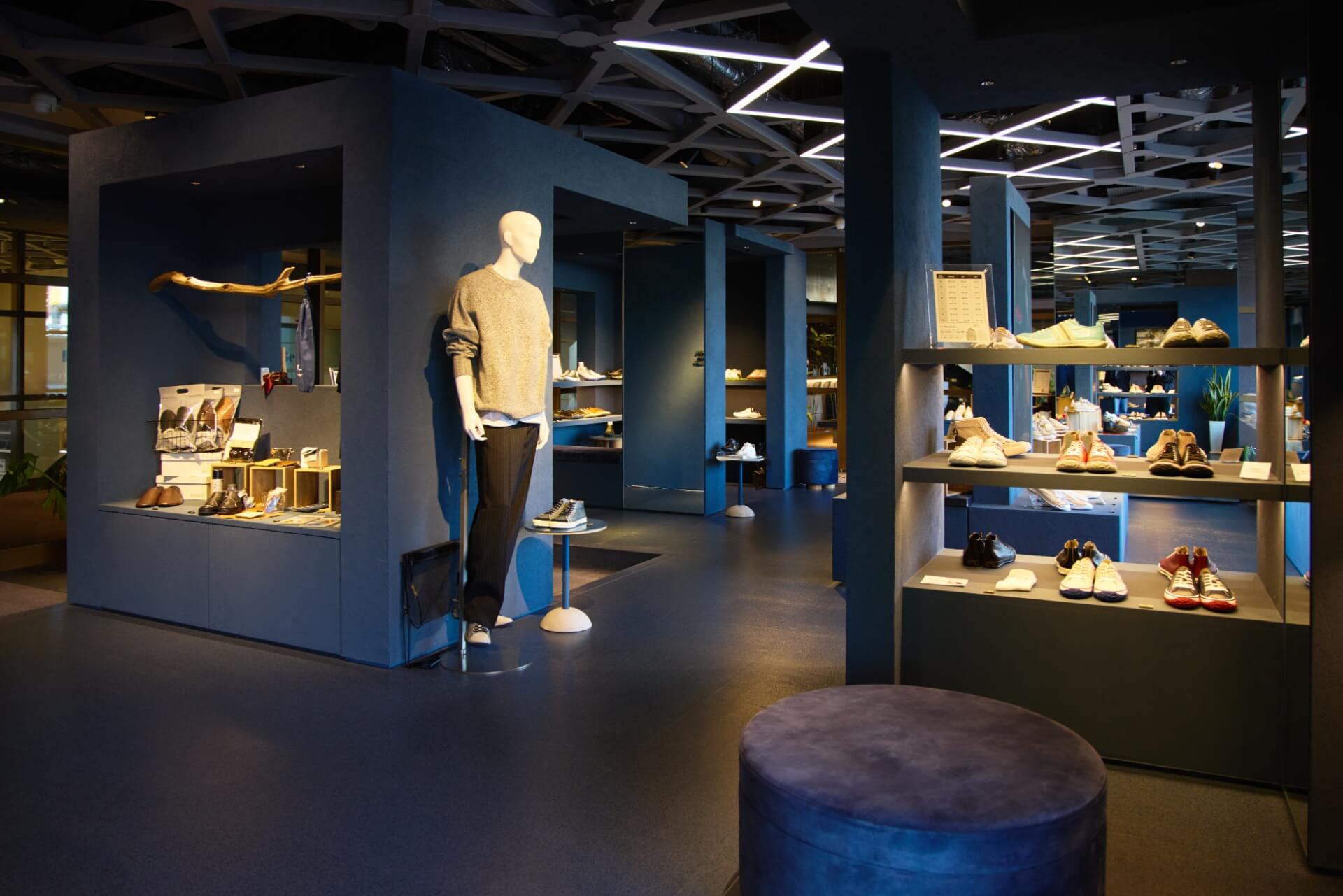
Bingo Kasuri, a source of local pride, is one of Japan’s three great kasuri textiles. This shop is inspired by the indigo blue of this fabric. You can experience the craftsmanship in every detail, from the fixtures to the flooring.
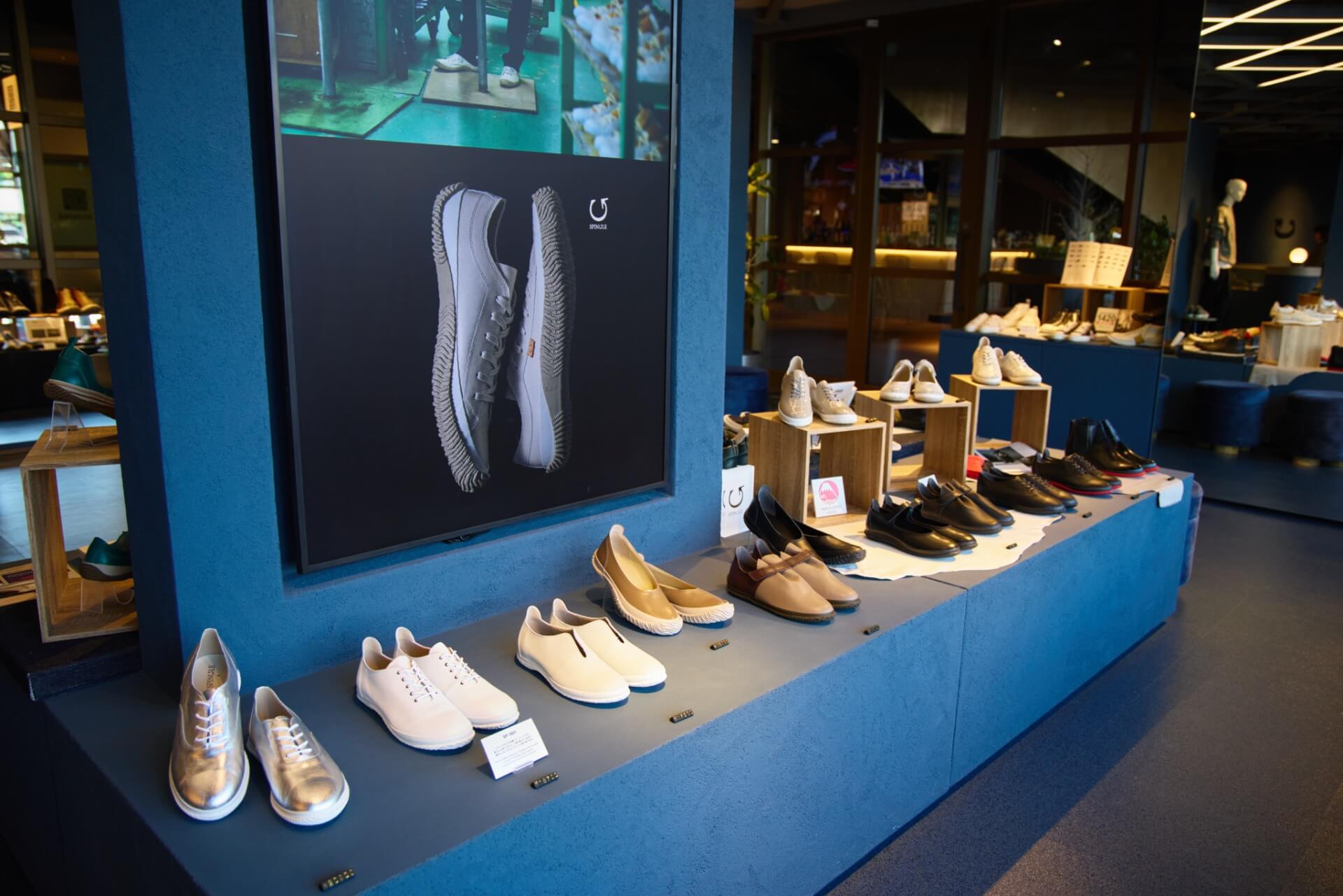
Spingle Company is a sneaker manufacturer based in Fuchu City, Hiroshima Prefecture. Each pair is carefully crafted using the traditional and rare vulcanization process.
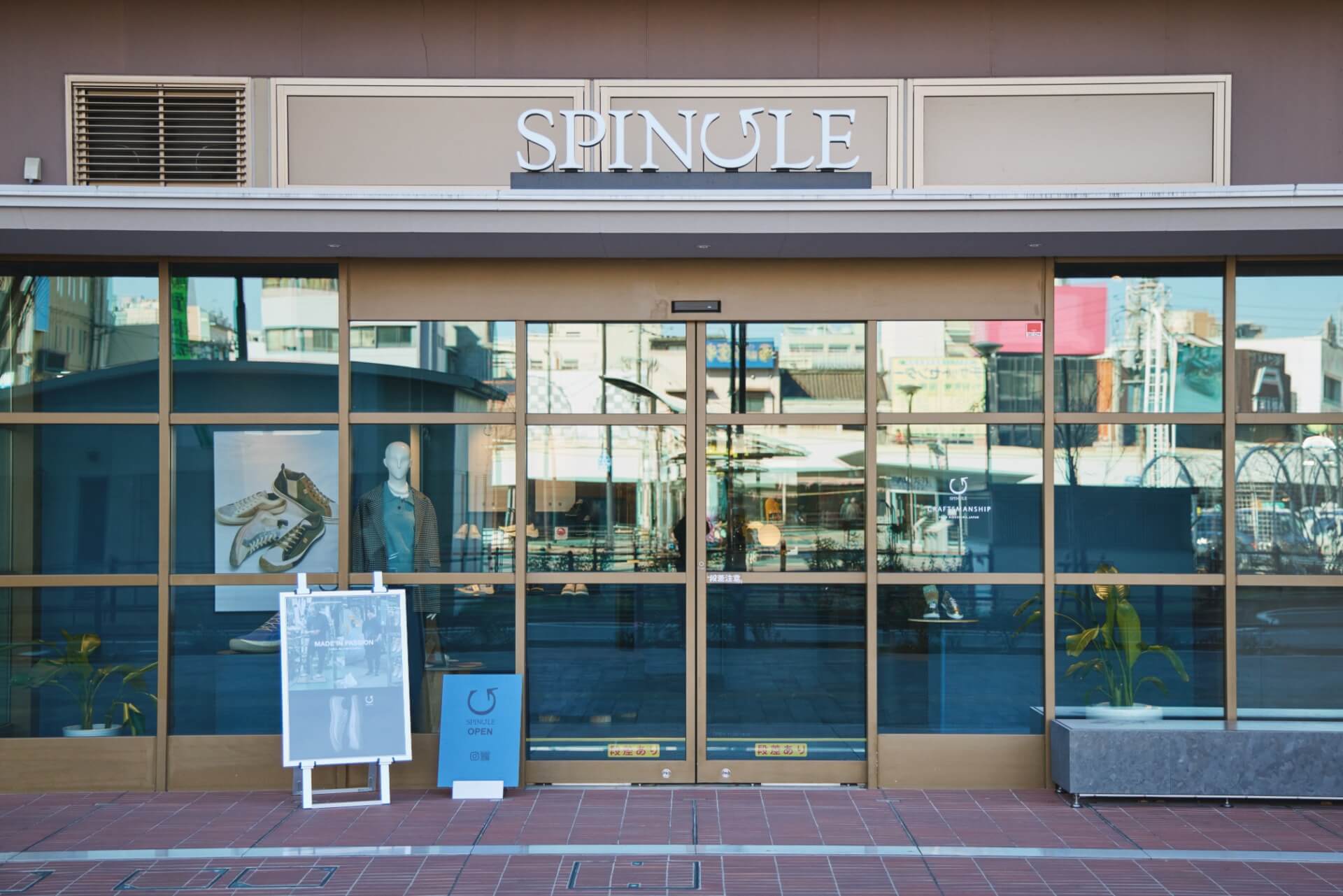
SPINGLE VINGO GATE
https://www.spingle.jp/
The regional flagship store “SPINGLE VINGO GATE” has opened at “NEW CASPA” in front of JR Fukuyama Station. It is generating buzz as the first SPINGLE store in the Bingo region.
1-18 Sannomaru, Fukuyama City, Hiroshima Prefecture NEW CASPA North Building 1F
Open 11:00 AM–7:00 PM
Open year-round (Store holidays follow the mall's schedule)
Head south on Hiroshima Prefectural Road 22 (Romantic Road 313), which runs from in front of JR Fukuyama Station. Passing Fukuyama’s landmark, Shin-Gohonmatsu, on your left, continue south past Shinkei-ji Temple. The store has parking for four cars.
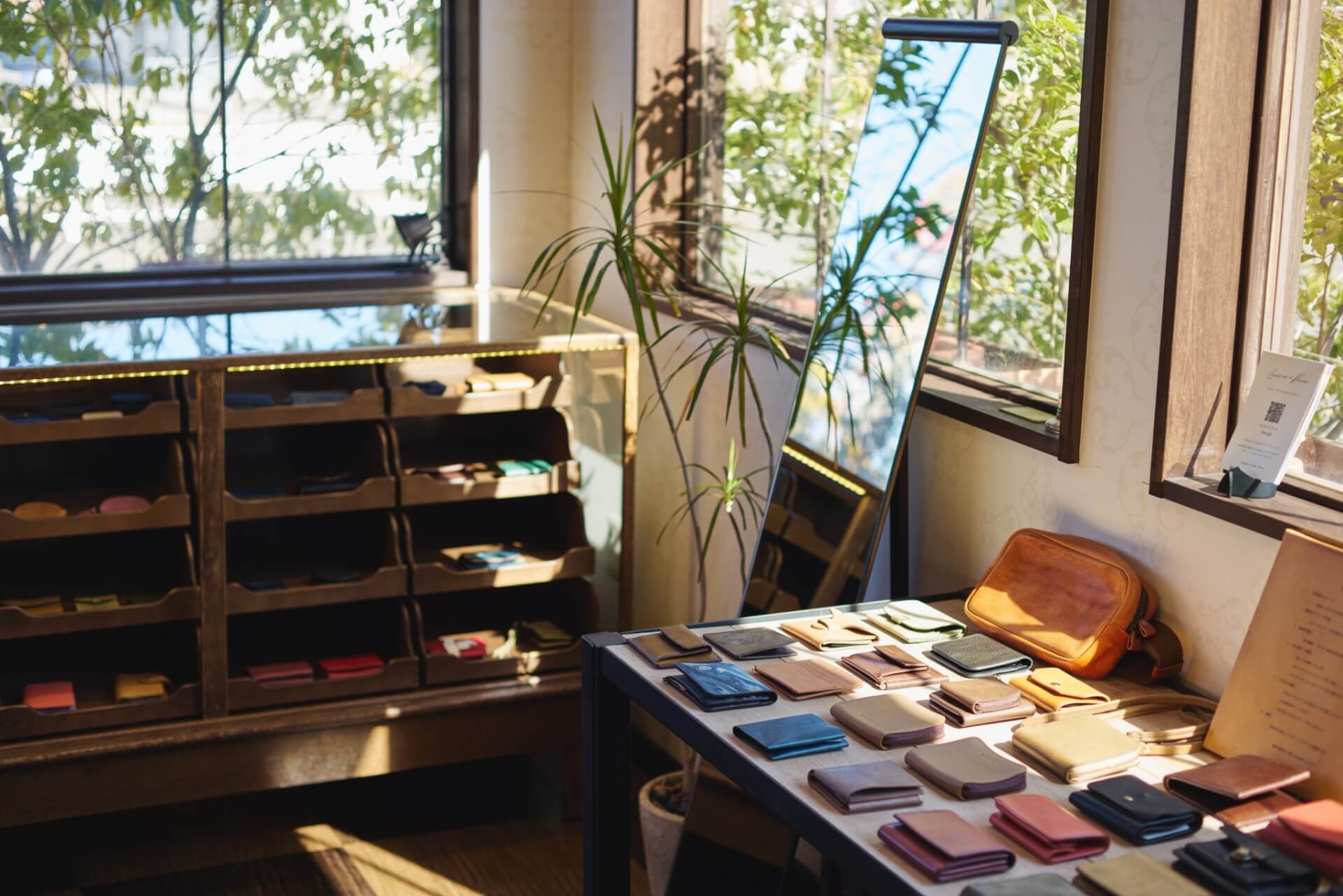
The shop and workshop are located under one roof, and the leather artisans themselves handle customer service. It’s wonderful to see the variety of suggestions they offer, born from their desire to listen directly to customers and meet as many of their requests as possible.
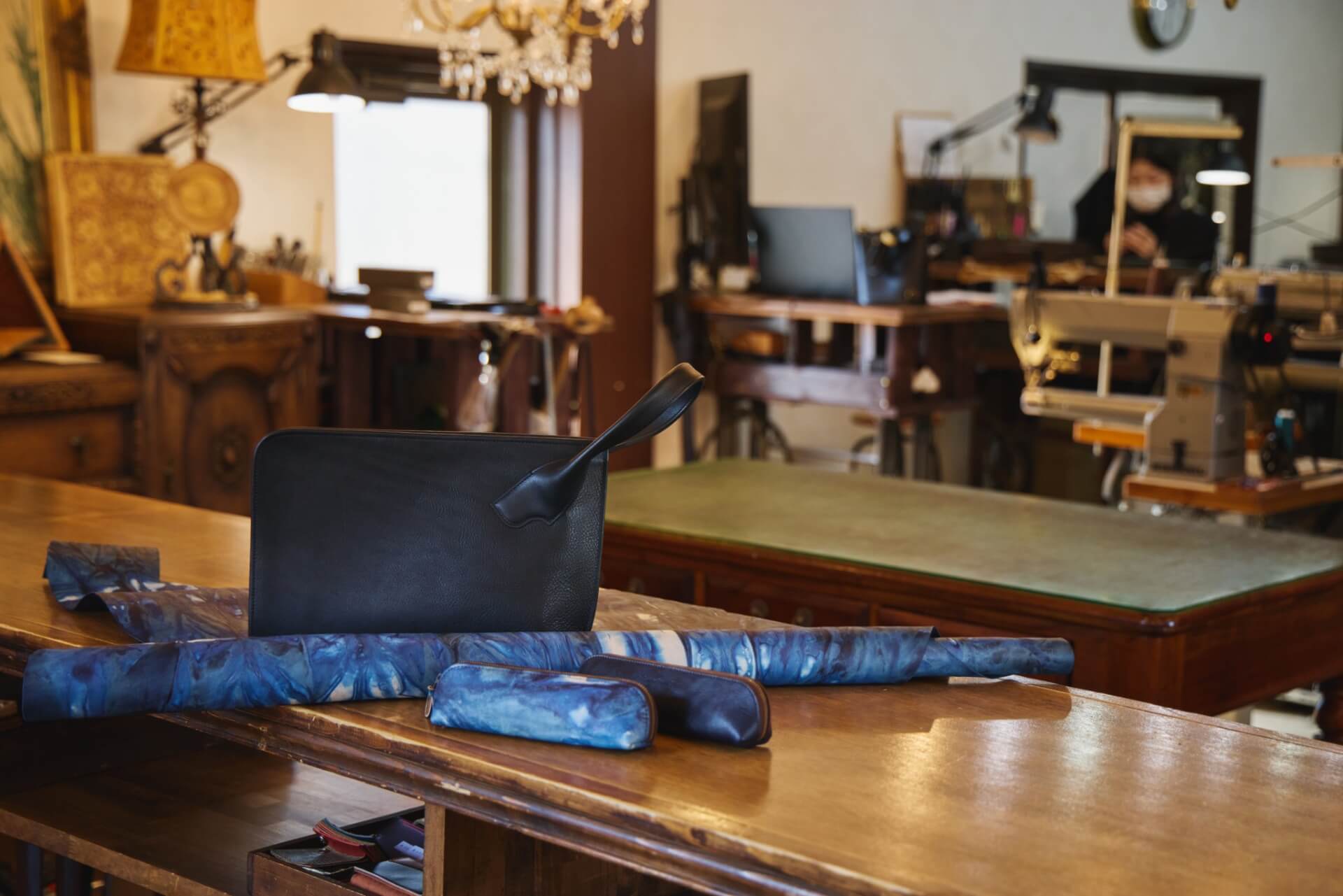
We showcase Fukuyama Leather using traditional indigo dyeing techniques passed down in Fukuyama City. We dye the leather using natural indigo to achieve a beautiful, deep blue color. It is characterized by its unique texture and hue.
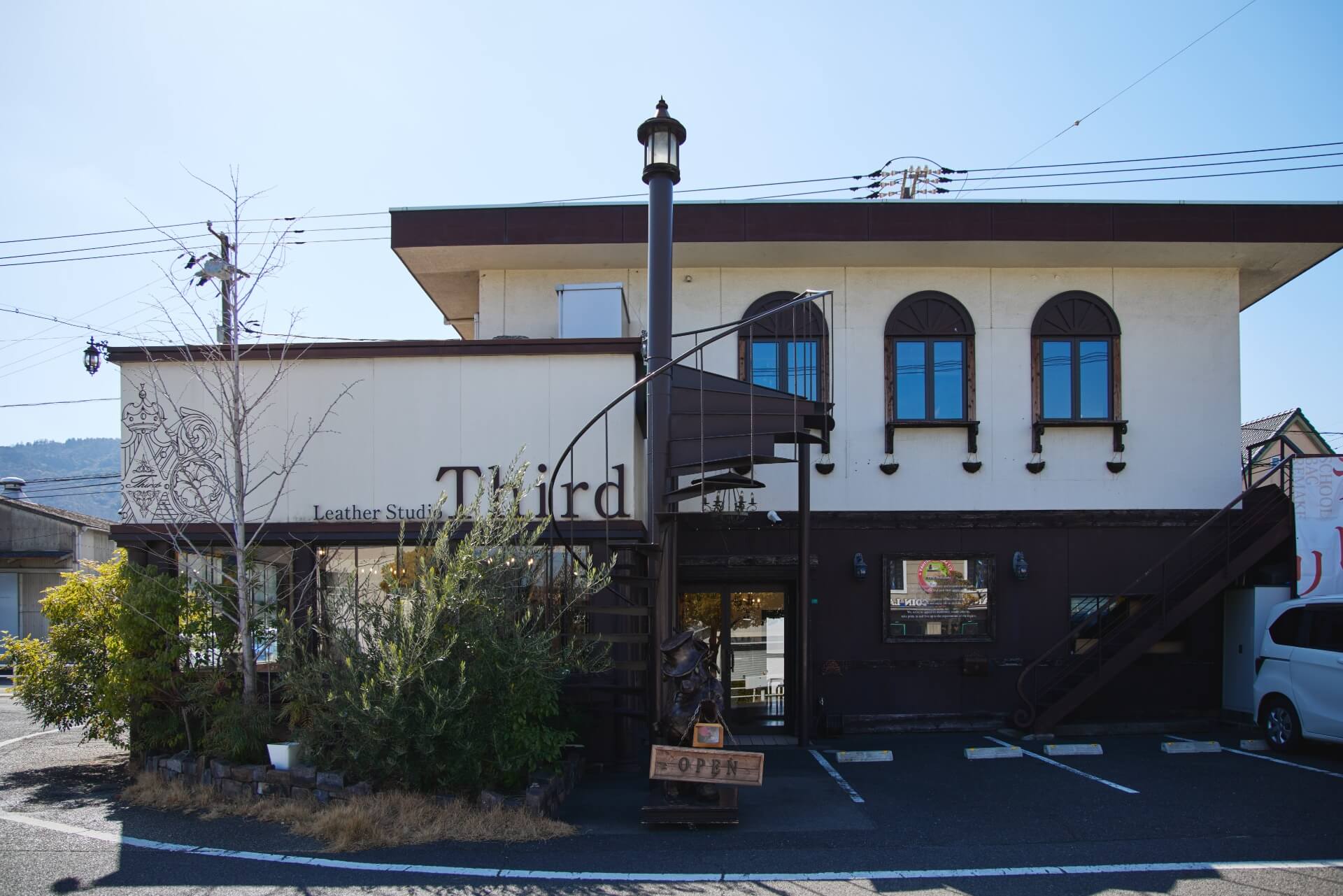
Leather Studio Third
https://leatherstudiothird.com
Their school backpack remakes are very popular. They cater to each customer’s individual preferences. In addition, you can request custom-made items, and they offer on-the-spot name embroidery for items available in-store.
6-3-17 Tajime-cho, Fukuyama City, Hiroshima Prefecture
Open 10:00 AM–6:00 PM
Closed on Wednesdays
Head back toward JR Fukuyama Station, then take National Route 2 toward Matsunaga. Head for the south exit of JR Matsunaga Station. When you see the sign for the “Matsunaga Kimono Museum,” turn south and go 300 meters. The parking lot (free) has space for 17 passenger cars.
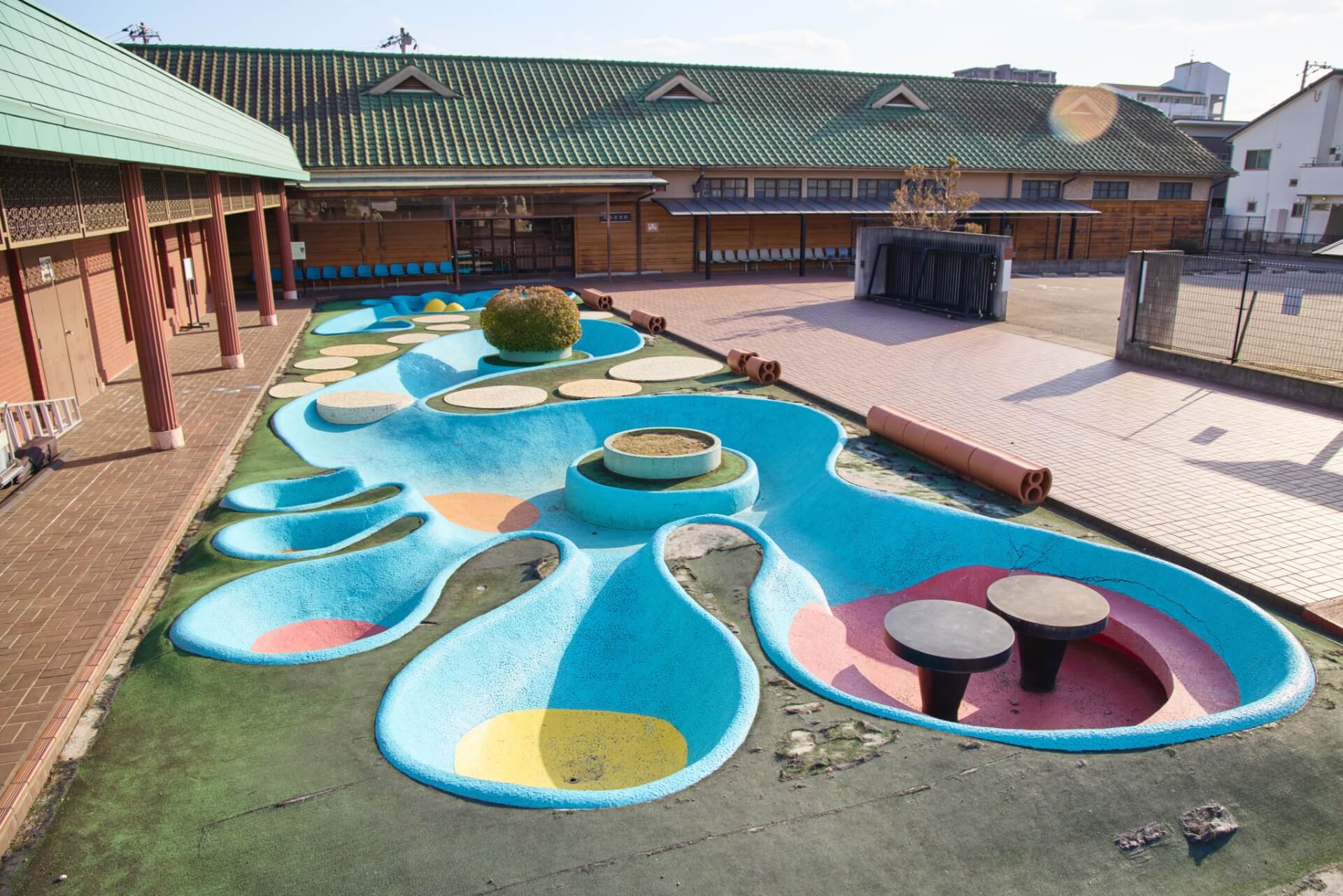
“Footprint Plaza” is open to the public. Designed by the late Taro Okamoto—a world-renowned artist best known for the “Tower of the Sun” at the 1970 Osaka World Exposition—the plaza features footprints of both men and women as its central theme.
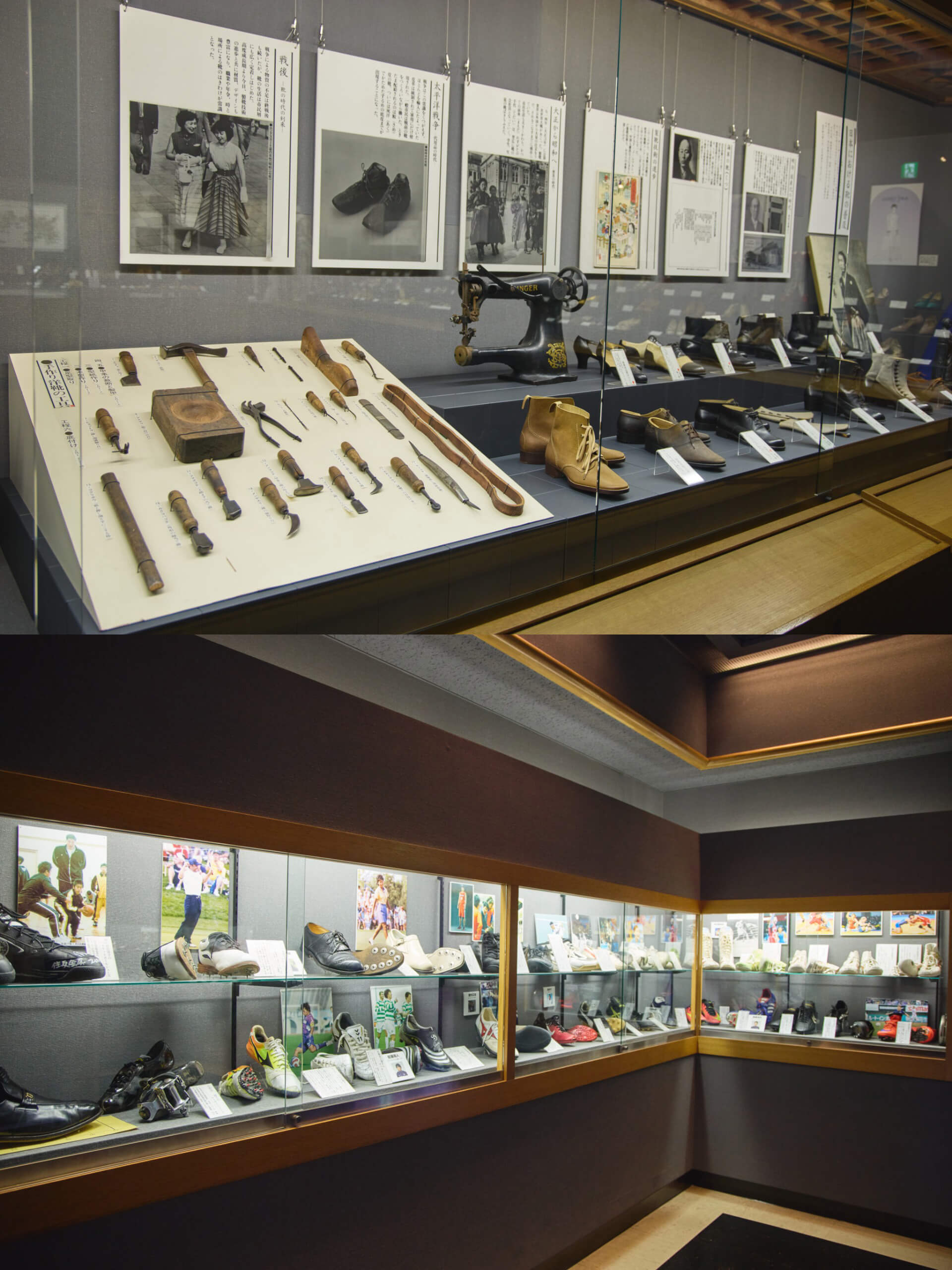
Top photo: The collection comprises approximately 13,000 items, including 2,266 pairs of footwear designated as Important Tangible Folk Cultural Properties of Japan. The museum also features a former geta factory that has been converted into an exhibition space, complete with preserved machinery used in traditional geta production.
Bottom photo: The collection spans footwear from all eras and regions, ranging from modern Japanese fashion shoes to ancient Egyptian sandals, space suits, and shoes worn by famous athletes during competitions.
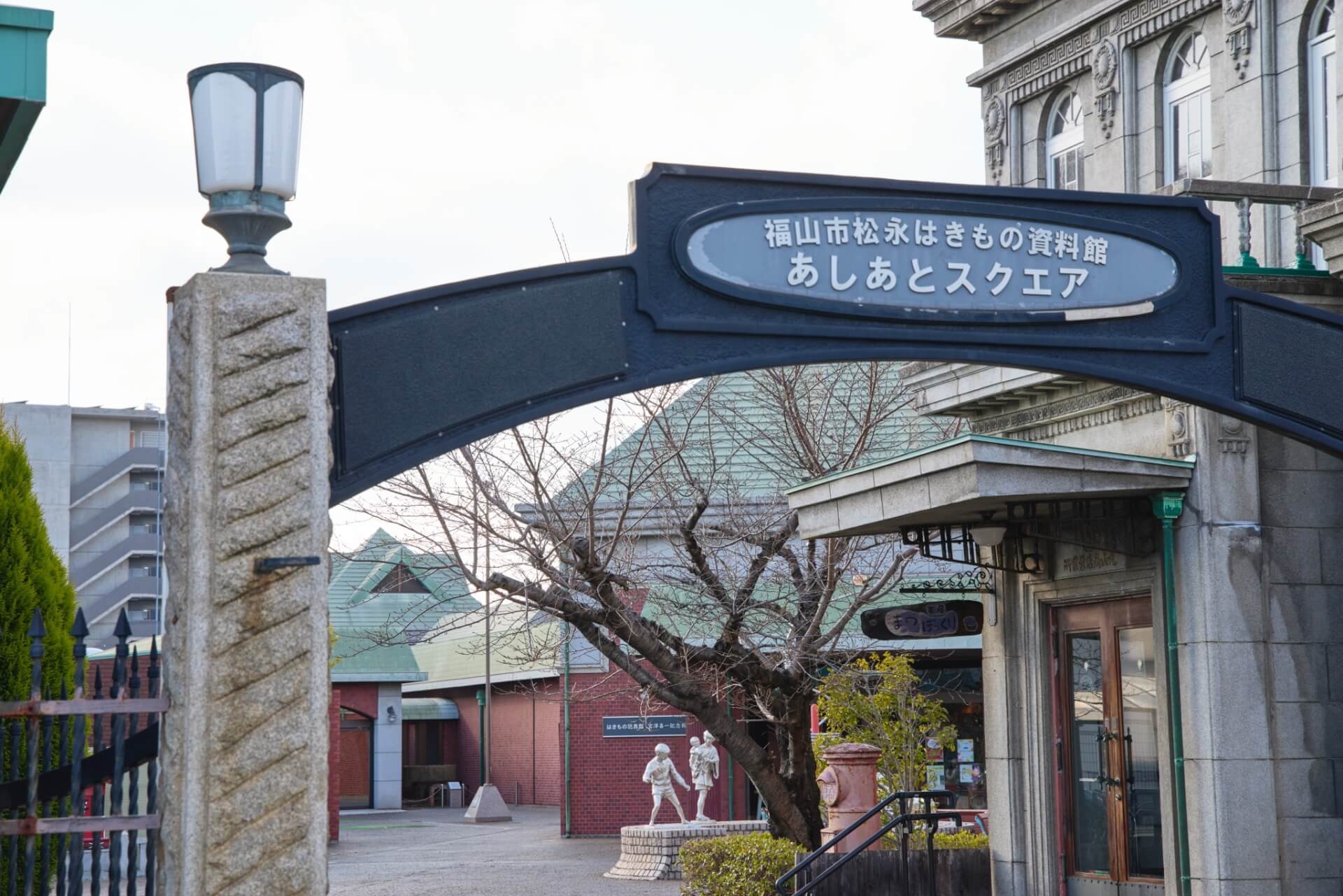
Fukuyama City Matsunaga Footwear Museum
https://www.city.fukuyama.hiroshima.jp/soshiki/matsunaga-hakimono/
Japan’s only museum dedicated to footwear. Although its predecessor, the Japan Kimono Museum, closed in 2013, it was transferred to the city in 2015 and reopened as the Fukuyama City Matsunaga Footwear Museum (Ashiato Square).
4-16-27 Matsunaga-cho, Fukuyama City
Open 10:00 a.m. to 4:00 p.m. (Last admission at 3:30 p.m.)
Closed Mondays through Thursdays and during the year-end and New Year holidays (December 28 to January 3)
Head back to National Route 2 and head to the port town of Onomichi. If you have time, take the coastal route. Enjoy the ocean views as you make your way to the shop near JR Higashi-Onomichi Station. The shop has its own parking lot.
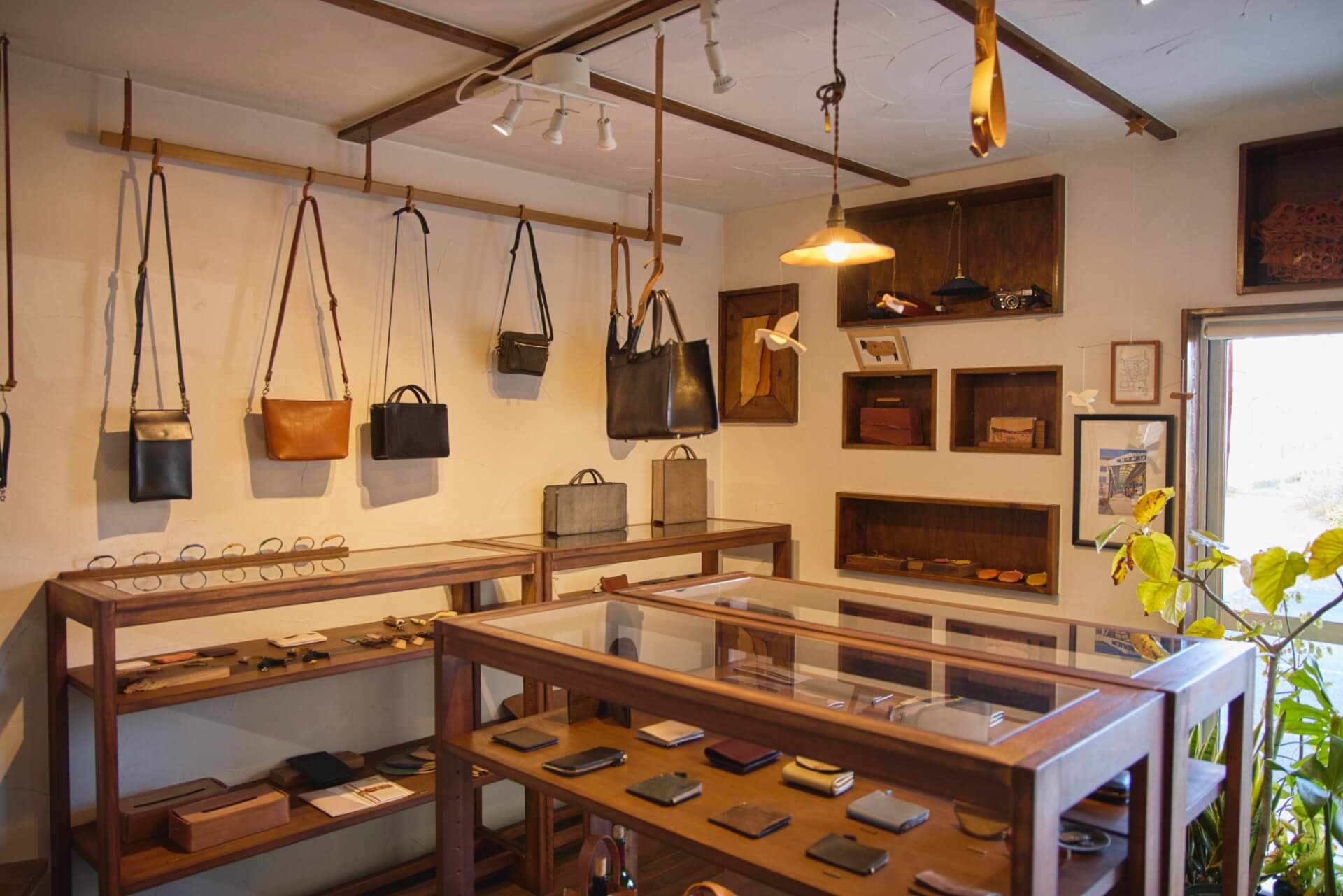
Based in the port town of Onomichi, we focus on “craftsmanship,” “shoe care,” and “repair and remake” using leather as our primary material, dedicating ourselves to the relationship between leather and you—and to each and every item we create.
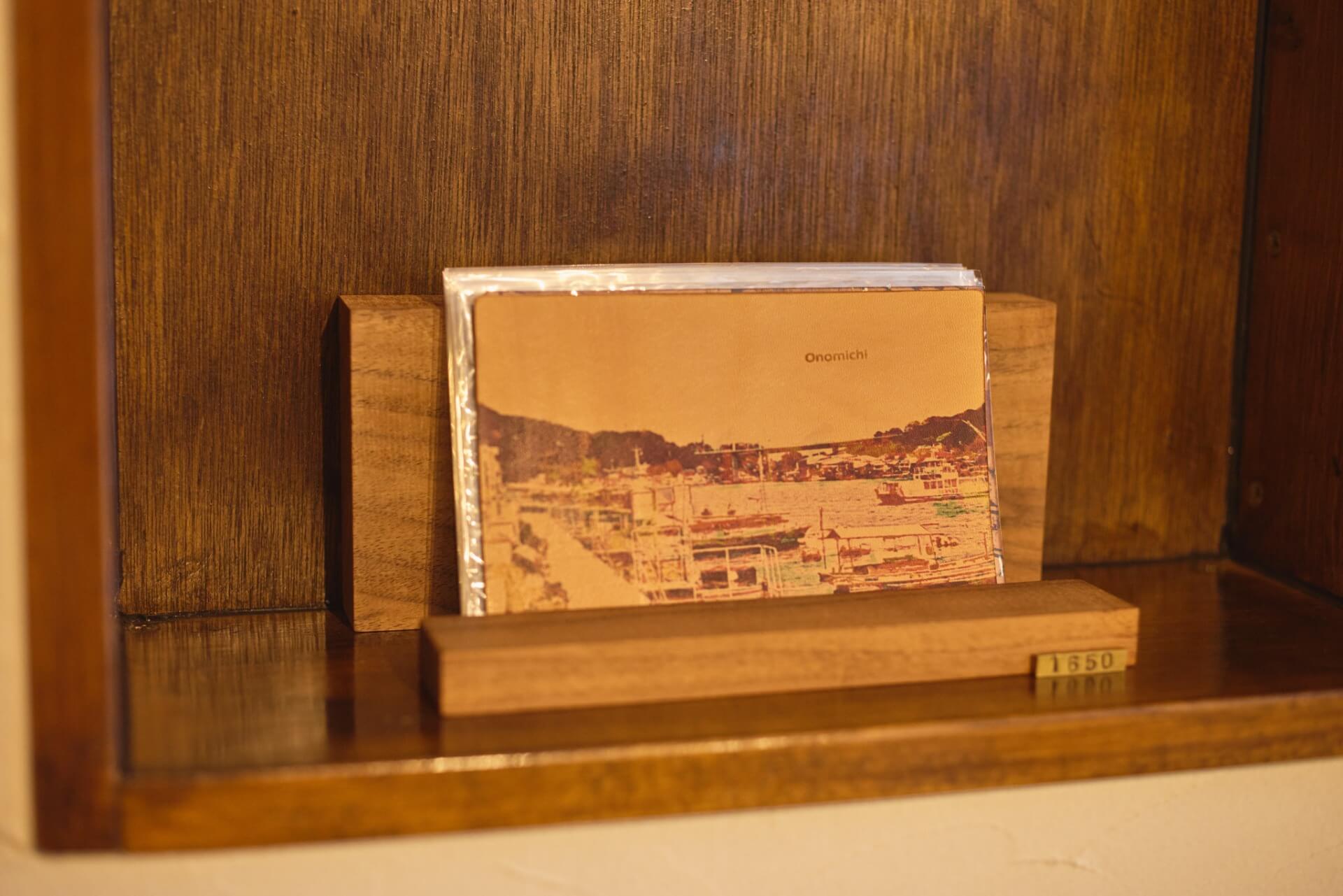
Onomichi is well known as a filming location for classic movies. These leather postcards featuring understated landscape photos are a delight to own, as their colors deepen over time. They make for a special souvenir, reminiscent of a letter from your travels.
Sugis
https://sugis-leather.com/
We offer a wide selection of unique Onomichi souvenirs, including coin cases featuring the city’s famous peaches, lemons, and the blue of the calm sea, as well as wallets with a cat hiding inside—a nod to Onomichi’s reputation as a “cat town.”
1288-1 Takasu-cho, Onomichi City, Hiroshima Prefecture
Open 10:00 AM–6:00 PM (6:00 PM–8:00 PM by appointment only)
Irregular holidays (Please check the calendar linked below for store holidays and other information)
Take the Sanyo Expressway from the Onomichi Interchange to the Shiwa Interchange. At the Kumano junction, turn onto Yano-dori and follow the road toward Impulse. There is a parking lot in front of the shop.
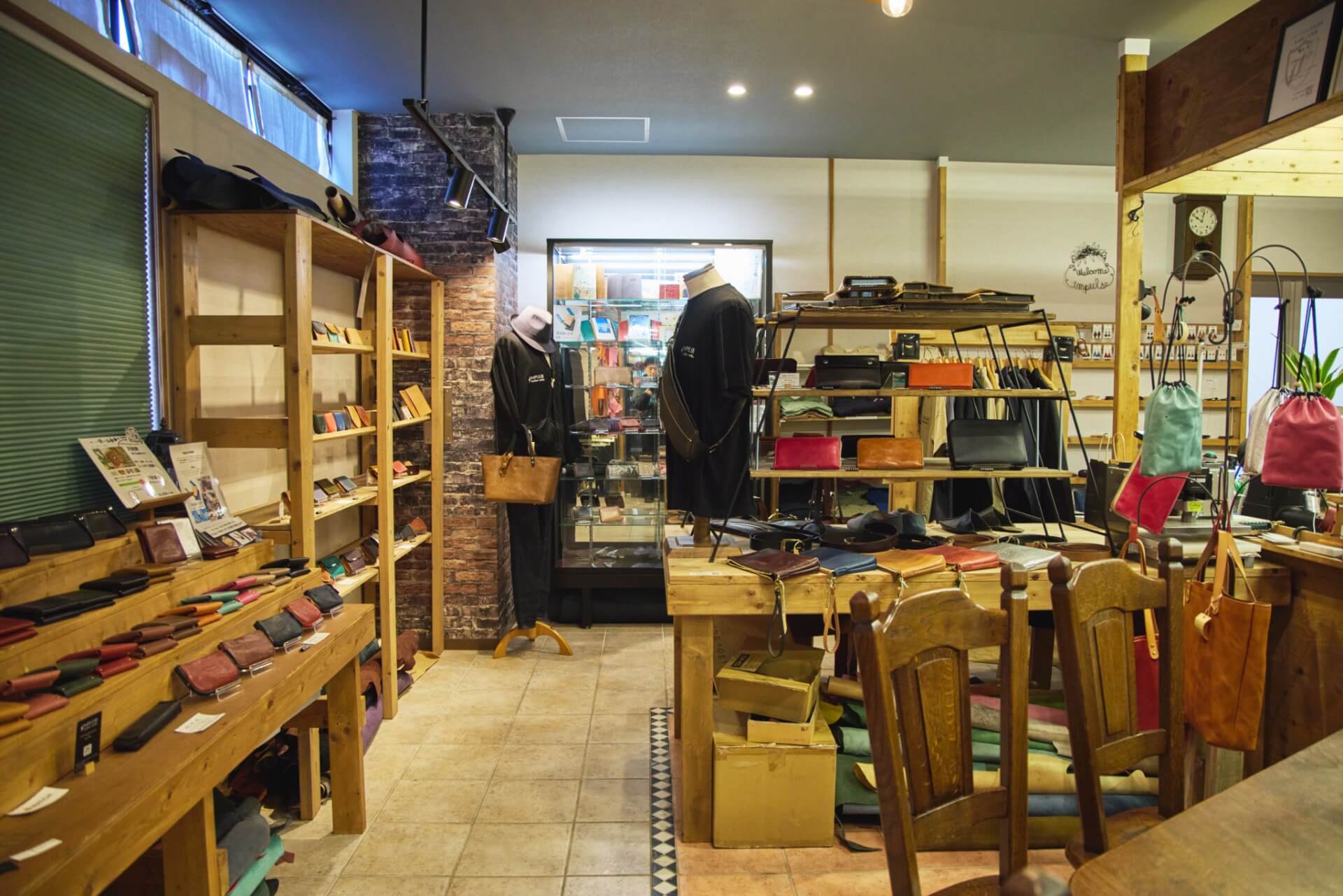
We use only carefully selected leathers, including vegetable-tanned cowhide, crocodile, elephant, cordovan, shark, and snake skin, and every step of the process—from cutting to sewing—is finished by hand.
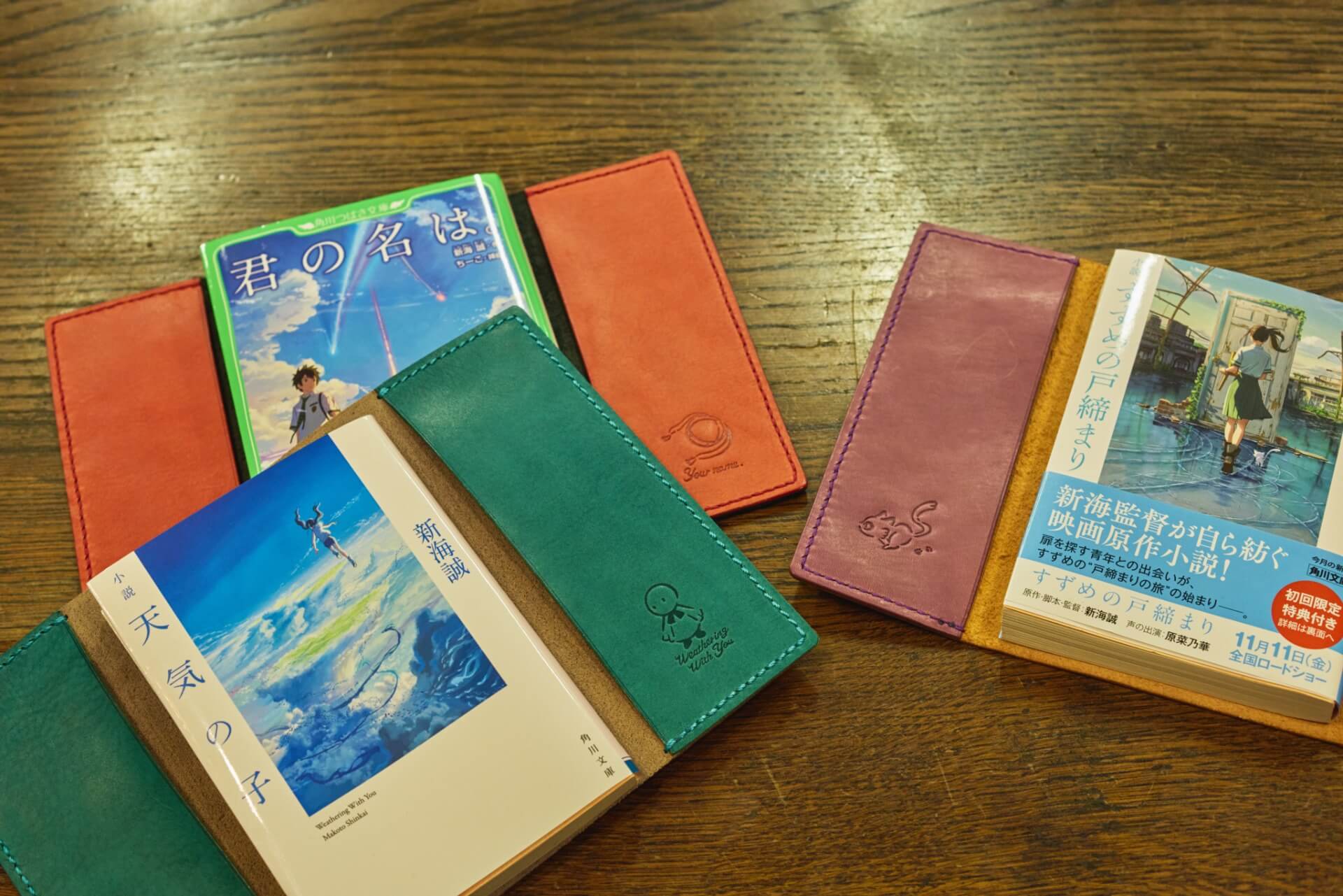
He has designed leather book covers that capture the worlds of director Makoto Shinkai’s three films: *Suzume*, *Weathering With You*, and *Your Name* (all published by Kadokawa Bunko/KAWAKAWA).
Impulse
https://impulse-leather.com/
Each item is crafted with care and attention to detail. We value the texture of the leather, sturdy construction, the unique charm of handmade items, and thoughtful design, pursuing a style that is simple yet makes a statement.
1F East Hills Yano, 6-23-15 Yano-Higashi, Aki-ku, Hiroshima City, Hiroshima Prefecture
Open 10:00 AM – 8:00 PM
Irregular holidays
Head back along Yano Street, then take the expressway from Kaita-Higashi Interchange to Yoshijima Interchange. Head toward Orizuru Tower. Please note that Orizuru Tower does not have its own parking lot.
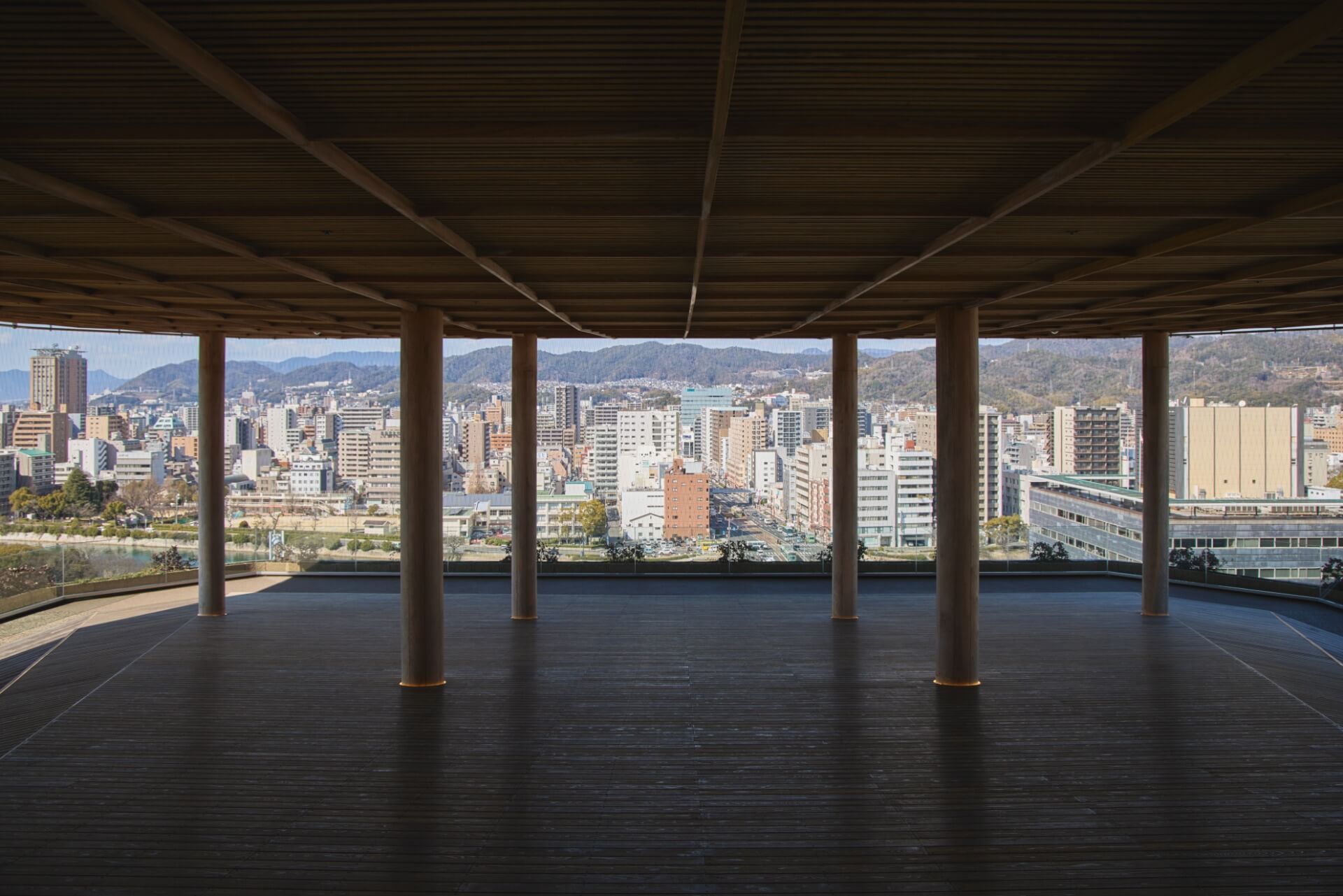
The “Orizuru Tower” is a one-of-a-kind space where you can take in Hiroshima’s past, present, and future all at once. Pray for peace at “Hiroshima no Oka,” the rooftop observation deck where a gentle breeze blows through.
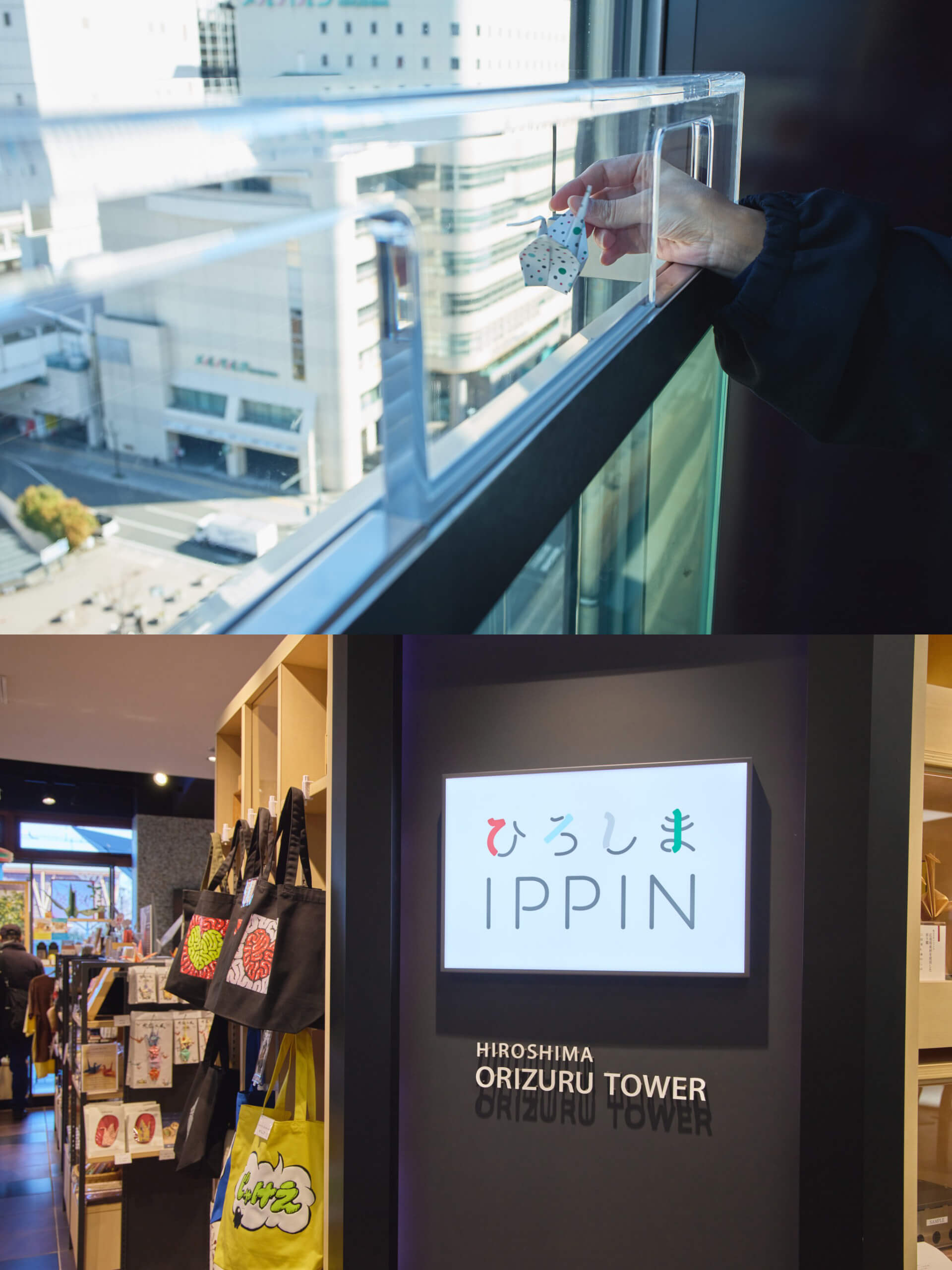
Top photo: The “Wall of Paper Cranes,” where visitors can place paper cranes folded from special origami paper and offer their prayers. Those trying origami for the first time or who find it challenging can use the folding guide app (available in multiple languages) in the workspace.
Bottom photo: The “Hiroshima IPPIN” flagship store on the 1st floor offers a selection of approximately 600 items, including Hiroshima specialties, traditional crafts, local sake, and craft beer. The store also features its original brand, “IPPIN BRAND.”
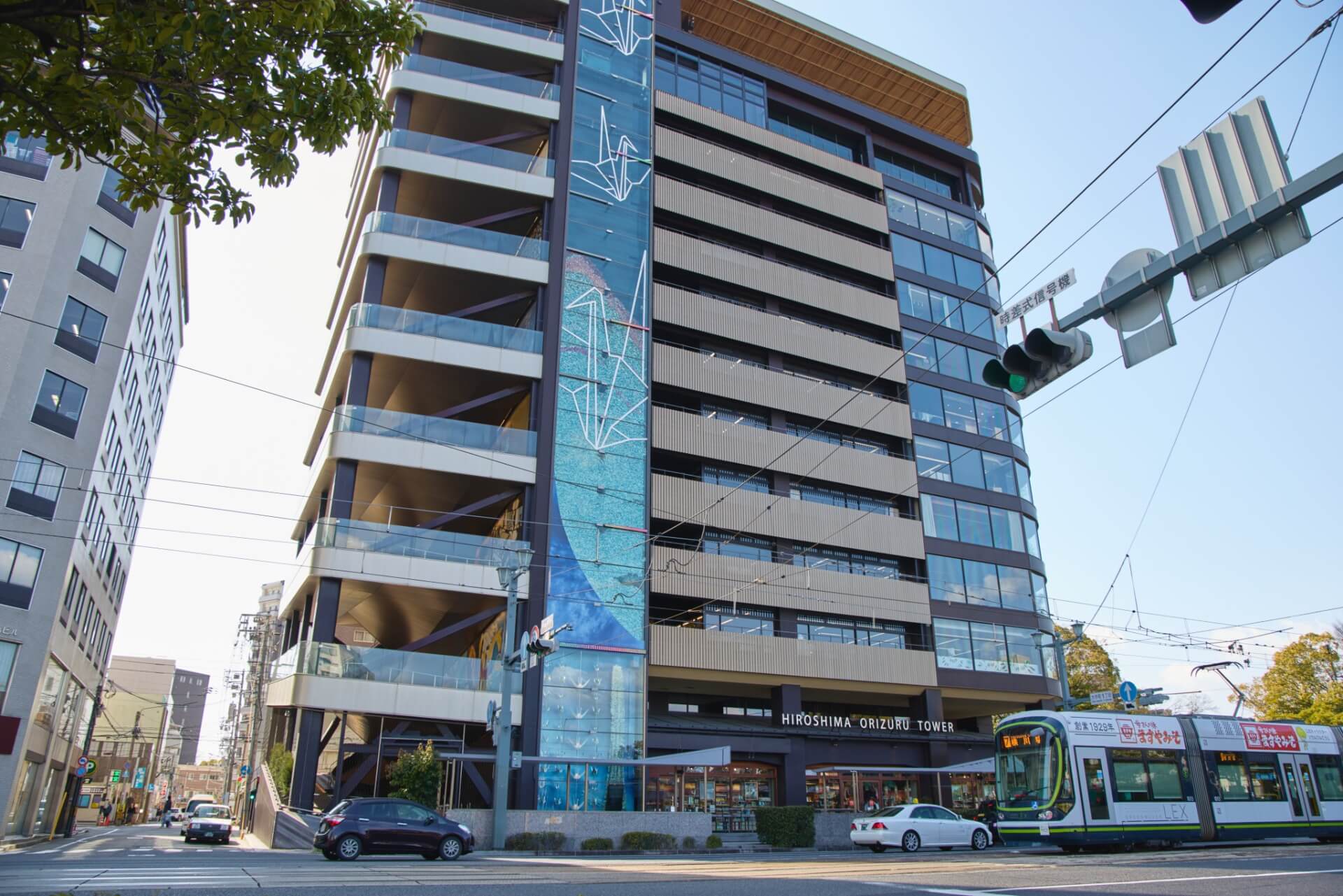
Orizuru Tower
https://www.orizurutower.jp/
The spiral ramp, “Sanpo-zaka,” leads from the first floor to the rooftop observation deck (an elevator is also available).
The wall art depicting hopes for the 100th anniversary of the post-war era is a popular photo spot!
1-2-1 Otemachi, Naka-ku, Hiroshima City, Hiroshima Prefecture
Open 10:00 AM–6:00 PM
Irregular holidays